

Understanding the Power of a Residential Proxy Network
Navigate the web with unparalleled anonymity and access. A residential proxy network offers a secure path for your online activities. Discover how it can transform your digital operations today.
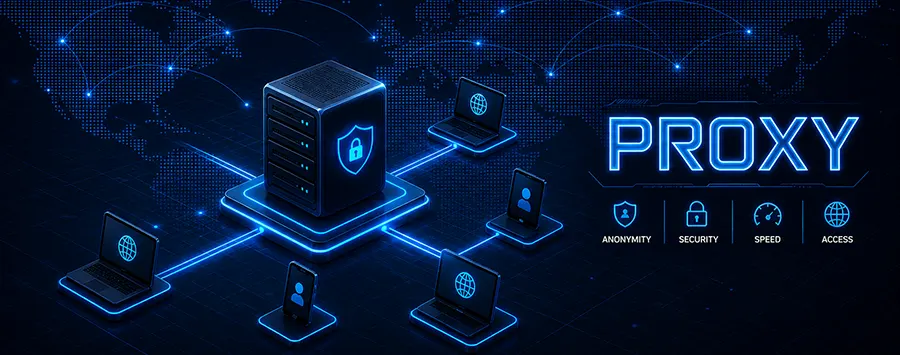
In the ever-evolving landscape of the internet, the quest for privacy, access, and unimpeded data flow has never been more critical. You might have encountered frustrating roadblocks like geo-restricted content, rate limits on your data collection tools, or the need to conduct market research without revealing your true location. This is where the concept of a residential proxy network steps into the spotlight, offering a sophisticated solution that mirrors organic human internet usage. But what exactly is it, and why has it become an indispensable tool for businesses and individual professionals alike?
Imagine the internet as a vast city. Your standard connection is like driving a brightly colored company van everywhere you go - easily identifiable and sometimes restricted from certain neighborhoods. A datacenter proxy is akin to renting a generic sedan; it gets you around but still feels impersonal to the city's gatekeepers. A residential proxy network, however, provides you with keys to a car that has local license plates and looks like it belongs to any other resident. It blends in seamlessly, allowing you to navigate the digital city without raising alarms or drawing unwanted attention.
The core of this technology lies in its use of authentic, ISP-assigned IP addresses. These are the same IP addresses allocated to everyday homeowners by providers like Comcast, Verizon, or Deutsche Telekom. By routing your internet traffic through these legitimate residential IPs, you effectively adopt the digital identity of a real user in a specific geographical location. This method offers a level of legitimacy that is incredibly difficult for websites and anti-bot systems to detect, making it the gold standard for a wide range of online operations.
The Inner Workings of Residential IPs
To truly appreciate the value of a residential proxy network, it helps to understand the mechanics under the hood. Unlike their datacenter counterparts, which originate from large-scale server farms, residential IPs are sourced from a peer-to-peer network of real devices. Users around the world voluntarily share a portion of their unused bandwidth in exchange for access or other incentives. This creates a massive, decentralized pool of IP addresses that are spread across countless cities and countries.
When you send a request through this network, it doesn't travel directly from your computer to the target website. Instead, it is first routed through one of these volunteer devices. From the perspective of the website you are visiting, the request appears to originate from a regular person checking their email or browsing social media in, for example, London, Tokyo, or New York. This simple yet powerful obfuscation is the key to bypassing sophisticated security measures that flag and block traffic from known datacenter IP ranges.
The process is managed by sophisticated software that handles the routing, rotation, and management of these IP connections. You can often specify your desired geographical location, and the network will find an available residential IP from that area. This granular control over your digital point of origin is what makes these networks so powerful for tasks requiring precise location data.
Why Choose Residential Over Other Proxy Types?
You might be wondering why you wouldn't just use a free proxy or a cheaper datacenter alternative. The difference boils down to reliability, trust, and success rates. Free proxies are notoriously unreliable, slow, and often riddled with security risks. Datacenter proxies, while fast and inexpensive, are easily detectable. Websites maintain constantly updated lists of IP ranges belonging to cloud providers like Amazon AWS, Google Cloud, and Microsoft Azure. Traffic from these IPs is often met with suspicion and can be throttled or blocked entirely.
A residential proxy network sidesteps these issues entirely. Because the IPs are legitimate and associated with real internet service providers, they enjoy a high degree of trust. This translates directly into higher success rates for your automated tasks. Whether you're gathering market data, managing multiple social media accounts, or verifying ad placements, you are far less likely to encounter CAPTCHAs, IP bans, or other access barriers. The table below provides a clear comparison to help you visualize the key differences.
| Feature | Residential Proxy | Datacenter Proxy | Free Proxy |
|---|---|---|---|
| IP Origin | Internet Service Providers (ISPs) | Cloud Server Farms | Unverified Sources |
| Anonymity Level | High (Appears as a real user) | Low (Easily detectable as a proxy) | Uncertain (High risk) |
| Reliability & Speed | High (Dependent on peer device) | Very High (Dedicated bandwidth) | Very Low (Overloaded and unstable) |
| Success Rate | Very High | Low to Medium | Extremely Low |
| Primary Use Case | Web scraping, Ad verification, Market research | High-speed tasks where detection is not a concern | Basic, non-critical browsing |
Unlocking a World of Practical Applications
The uses for a residential proxy network extend far beyond simple anonymity. For businesses operating in today's data-driven economy, it is a key that unlocks critical intelligence and operational capabilities. Let's delve into some of the most impactful applications.
In the realm of competitive intelligence and price monitoring, companies need to track their rivals' pricing strategies across different regions. E-commerce giants and travel agencies use residential proxies to gather accurate, localized pricing without being blocked for excessive scraping. This allows them to adjust their own strategies in real-time, ensuring they remain competitive in a global marketplace.
Another crucial application is ad verification. Brands invest millions in digital advertising, but how can they be sure their ads are appearing on the right websites, in the correct geographical locations, and are being viewed by real people? Ad verification companies use residential proxy networks to mimic the experience of users in target demographics, checking for ad fraud, brand safety compliance, and correct geo-targeting. This ensures that marketing budgets are spent effectively and brand reputation is protected.
SEO Monitoring and Social Media Management
For SEO professionals, search engine results pages (SERPs) can vary dramatically based on location and past search history. To get a true, unbiased view of how a website ranks in different cities or countries, SEOs use residential proxies. By sending search queries through IPs in specific locations, they can collect accurate ranking data, analyze local competition, and fine-tune their strategies accordingly. This removes the personalization bias that can skew results when searching from a single, familiar IP address.
Similarly, social media managers and digital marketers who operate multiple accounts for clients face strict platform policies. Logging into several accounts from the same IP address is a red flag for platforms like Facebook, Instagram, or Twitter, often leading to temporary suspensions or permanent bans. By assigning a unique residential IP to each account, managers can simulate authentic login behavior from different locations, greatly reducing the risk of account penalties and ensuring smooth operation for their campaigns.
Selecting the Right Provider for Your Needs
Not all residential proxy networks are created equal. When evaluating potential providers, it's essential to look beyond the price tag and consider factors that impact performance and reliability. The size of the IP pool is a critical metric. A larger, more diverse pool means you have a wider selection of geographic locations and a lower chance of IP reuse, which can lead to blacklisting.
You should also inquire about the provider's sourcing methods. Ethical providers operate on an opt-in basis, where users consciously agree to share their bandwidth. This is not only more transparent but also contributes to a more stable and higher-quality network. Be wary of providers with vague explanations about their IP sources, as this could indicate unethical practices.
Other key features to consider include:
- Geographical Coverage: Does the provider have IPs in the specific countries or cities you need?
- Rotation Policies: How often are IPs rotated? Can you set sticky sessions for tasks that require a consistent IP?
- Success Rate Guarantees: Reputable providers often publish their uptime and success rate statistics.
- Customer Support: Responsive support is crucial for resolving technical issues quickly.
- API and Integration: Does the provider offer easy-to-use APIs and integration with popular tools?
Navigating the Ethical Considerations
With great power comes great responsibility. The ability to mask your digital footprint using residential IPs raises important ethical questions. It is paramount to use this technology responsibly and legally. The core principle is to respect the terms of service of the websites you interact with. Using proxies for malicious activities like hacking, spamming, or committing fraud is illegal and unethical.
The primary ethical use of residential proxies is for gathering publicly available data in a respectful manner. This means implementing reasonable request rates to avoid overwhelming target servers, a practice often referred to as "polite scraping." The goal is to gather intelligence without disrupting the normal operation of the website for other users. By adhering to these principles, you ensure that this powerful tool remains a force for innovation and fair competition rather than disruption.
The Future of Digital Identity and Access
As the internet continues to Balkanize with increased geo-blocking and sophisticated anti-bot measures, the demand for reliable residential proxy networks is set to grow. These networks represent a fundamental tool for maintaining an open and globally accessible internet for legitimate business and research purposes. They level the playing field, allowing smaller companies to access the same market intelligence as industry giants and enabling researchers to gather global data sets without bias.
The technology itself is also evolving. We can expect to see advancements in AI-driven proxy management, which will intelligently route traffic to avoid detection and optimize for speed and success. The integration of residential proxies with other privacy-enhancing technologies will create even more robust solutions for secure and anonymous online operations. For anyone whose work depends on unrestricted and authentic access to the global web, understanding and utilizing a residential proxy network is no longer a niche skill - it is an essential component of modern digital literacy.
Embracing this technology allows you to operate on the internet with the freedom and flexibility it was originally designed for. It empowers you to gather accurate data, protect your digital assets, and explore the web without artificial borders, all while maintaining the highest standards of security and ethical practice.